
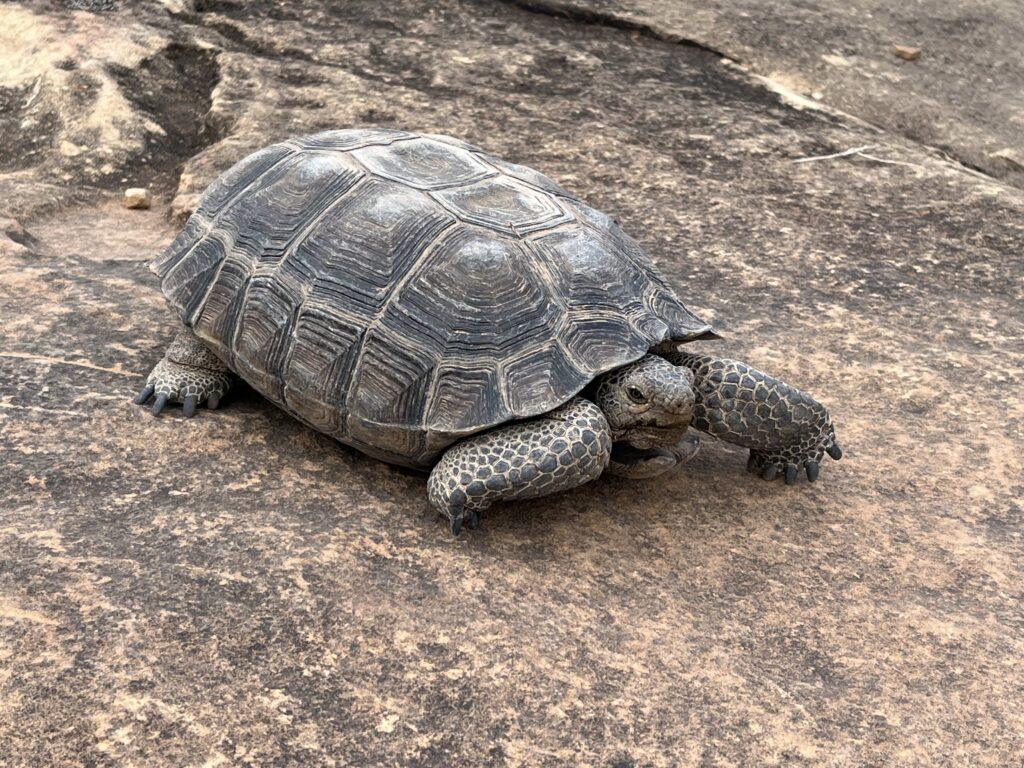
Mojave Desert Tortoise
Description
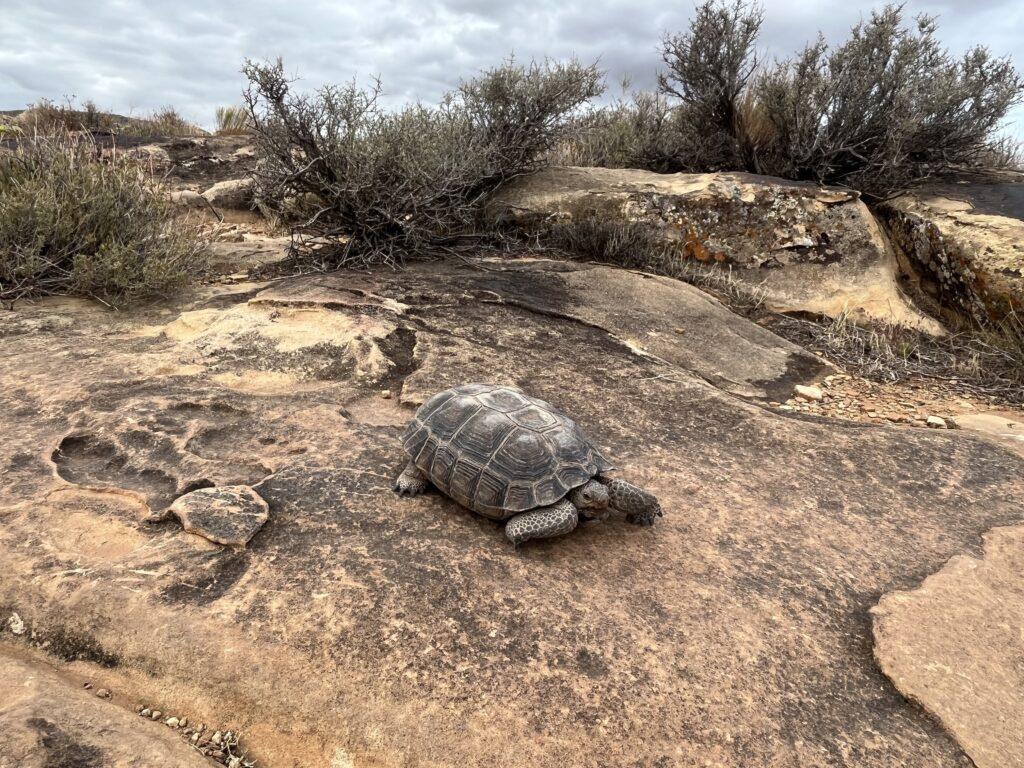
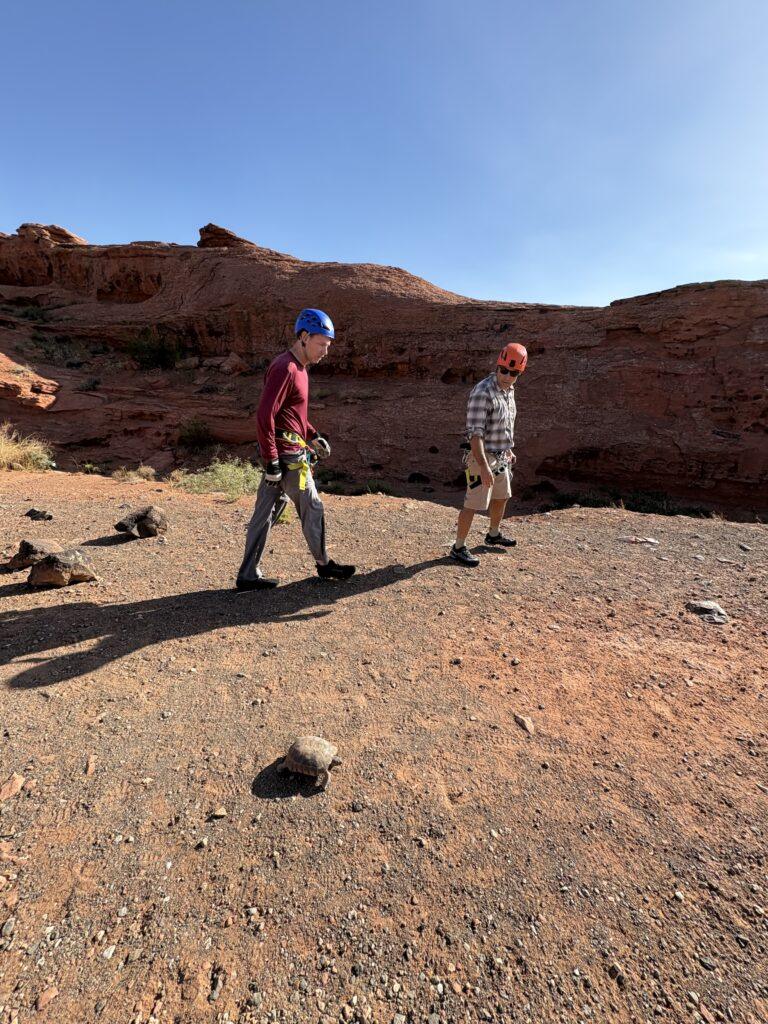
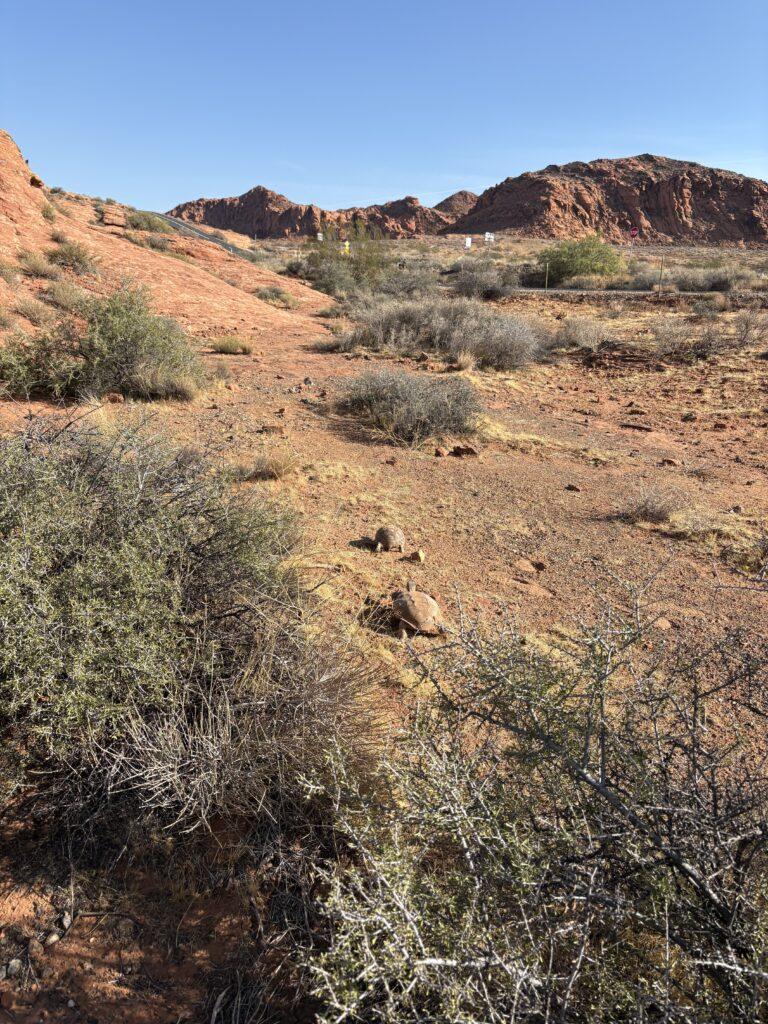
The other day, we saw so many Mojave Desert Tortoise. I always feel fortunate to see just one, but we hit the nature jackpots and saw six in one day. It got me thinking about how much I love these little desert dwellers and wanted to tell you more about them.
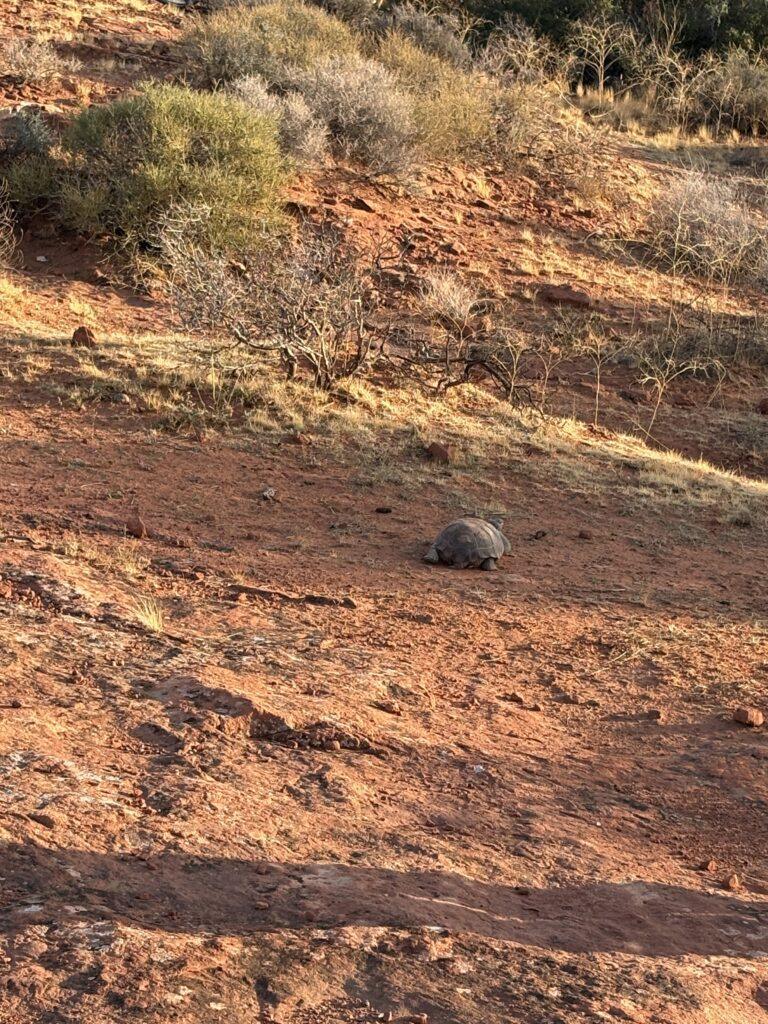
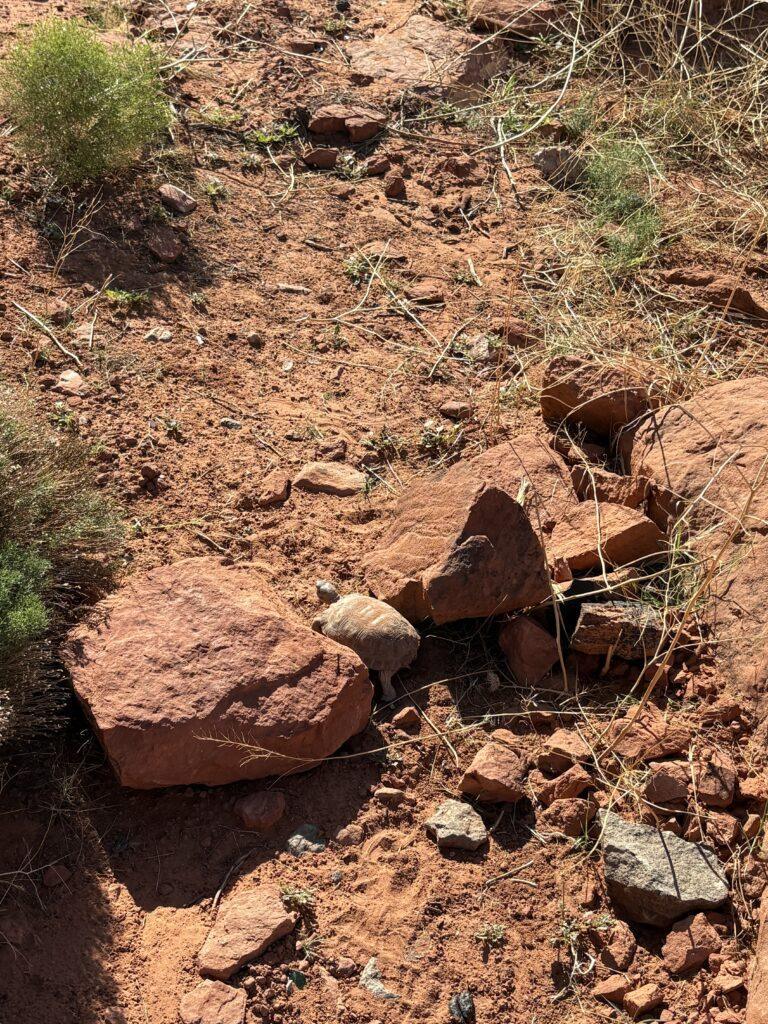
The Mojave desert tortoise is one of those animals that can make an ordinary hike feel like a pretty special adventure. They aren’t exactly easy to spot, and that’s part of the fun. You can walk right past one without ever realizing it is sitting quietly under a shrub or tucked into a burrow just a few feet from the trail. The last two times we were out, we were with frequent hikers who had yet to ever see one and we got to be with them for their first sighting.
If you’re lucky enough to actually see one out wandering around, stop and appreciate the moment. These guys have been living in this desert a lot longer than most of us have been hiking through it.
The Mojave desert tortoise is native to the Mojave Desert and can be found throughout parts of southwestern Utah, Nevada, California and northwestern Arizona. They are also a threatened species under the Endangered Species Act.
What are we looking for? Think big, slow-moving, desert dinosaur.
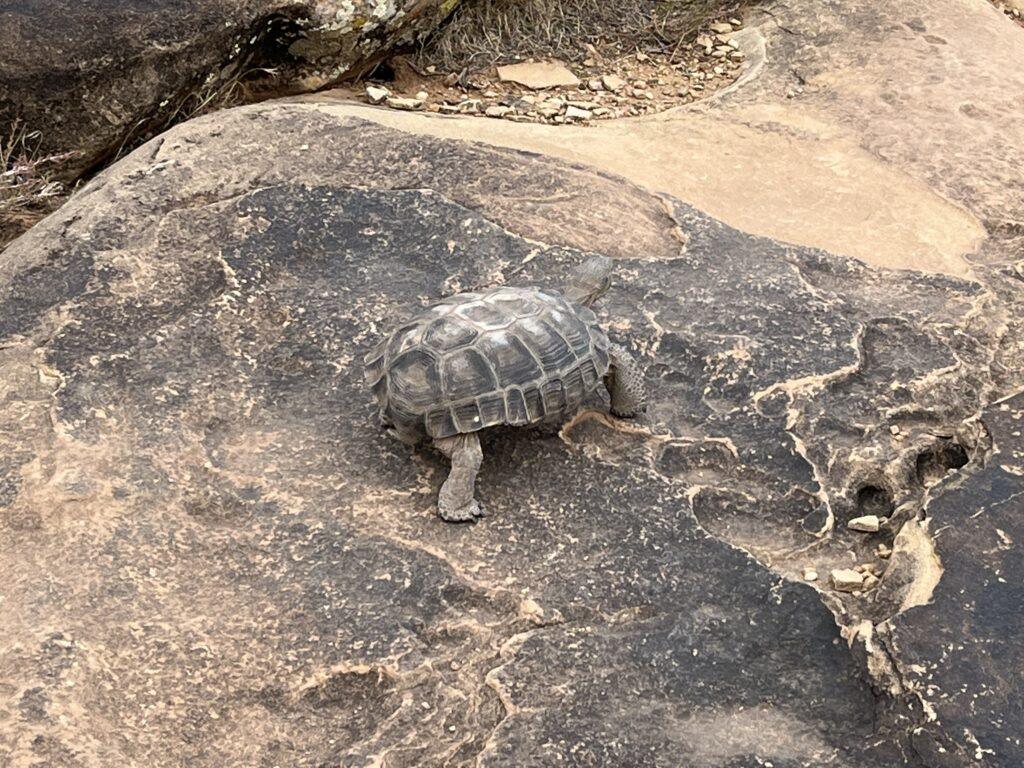
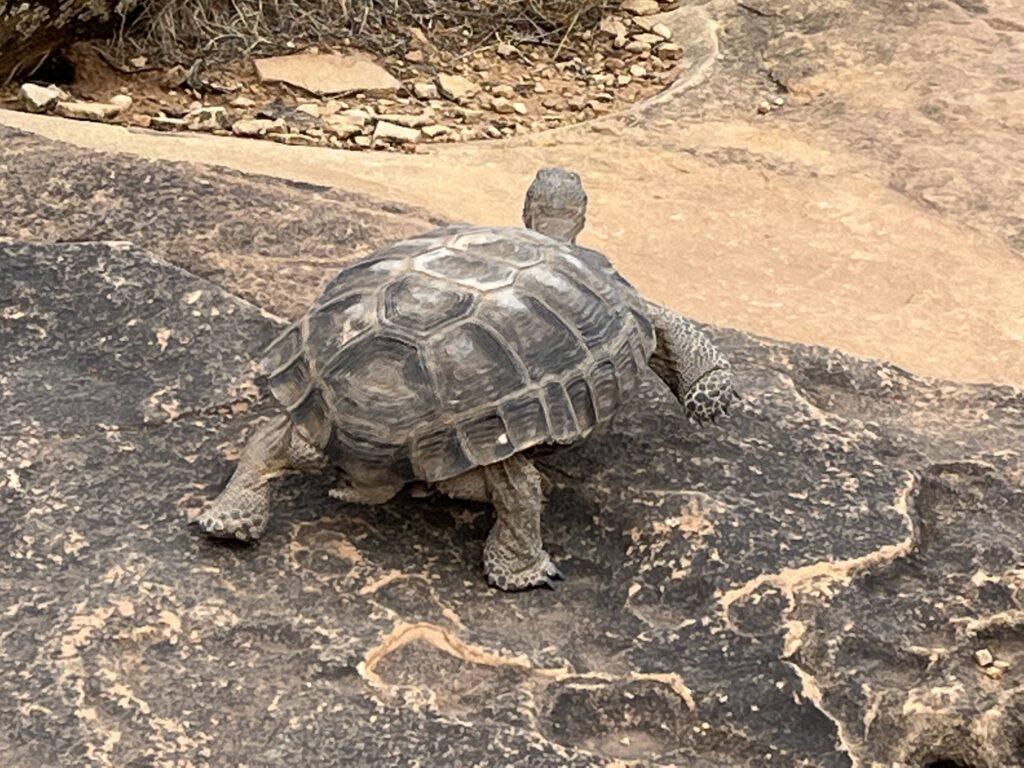
An adult tortoise typically has a high-domed shell and can grow to around 8–15 inches long. Their front legs are flattened and covered with scales that are basically built-in digging tools, while their back legs look like an elephant’s foot. Their coloring blends incredibly well with the desert — browns, tans, grays and darker markings.
What I find amazing is that these tortoises can live in a very harsh environment. Their burrows give them protection from extreme sun and cold, so they tend to spend an estimated 95% of their lives in them. See, it really is lucky to see them!
Tortoises tend to be more active in the spring and fall, or after summer rains. Even then, you are not guaranteed to see one. Just remember that seeing one is never guaranteed. These are not animals that operate on our hiking schedule.
Their diet includes grasses, wildflowers, herbs and other desert vegetation, including some cactus. They have a lifespan of up to 50-80 years.
What to do if you see a tortoise:
PLEASE DON’T PICK IT UP, this one is important.
If you see a desert tortoise, leave it alone. Don’t move it off the trail unless there is an immediate danger and you know what you’re doing. A tortoise may look like it could use some help, but moving it can cause serious problems. One of the tortoise’s defenses when threatened or handled is to empty its bladder, which can be dangerous because water is incredibly valuable to an animal living in the desert.
The best wildlife encounter is the one where the animal gets to continue doing exactly what it was doing before you came along. Take your pictures from a respectful distance.
And then let it continue on its very important tortoise business.
We’ve been lucky enough to see Mojave desert tortoises while out exploring Southern Utah, including around Cove Wash and Chuckwalla trail systems. And every time, it feels like finding a little piece of the desert that most people completely miss.
That’s one of the best things about hiking here. You can hike the same trail ten times and still see something new.
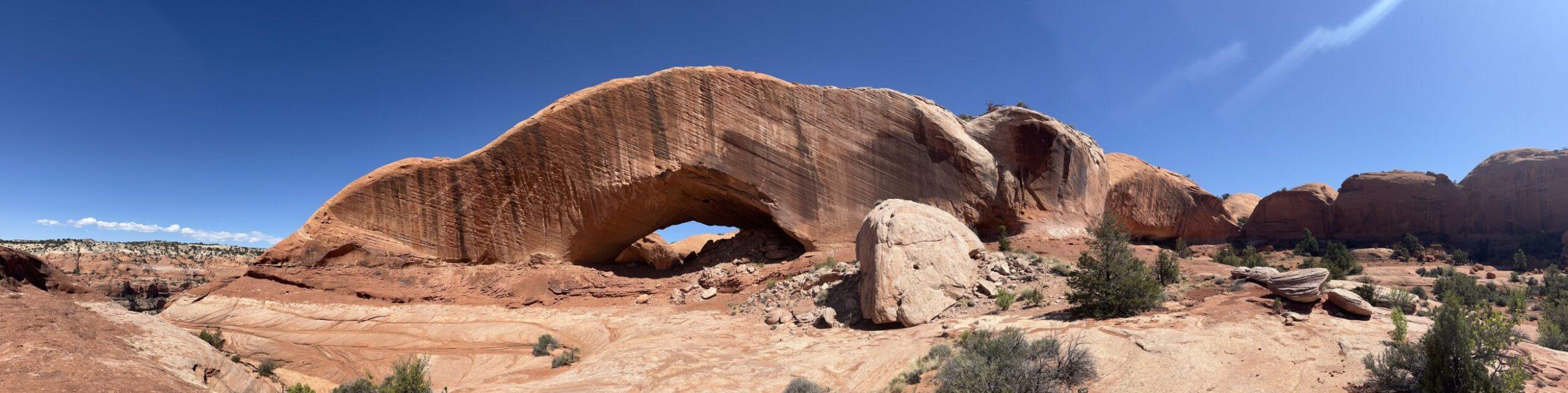
One day it’s the light hitting the sandstone just right. Another day it’s a snake.
And if you’re really lucky…
It’s a tortoise slowly making its way across the desert like it has absolutely nowhere else to be.
More Photos